Categories
Key factors and classifications for choosing a suitable polishing machine
Choosing a suitable polishing machine requires considering factors such as workpiece material, shape, size, finish requirements, production efficiency, and processing accuracy. Different types of polishing machines, such as external cylindrical, flat, vibrating, and automated polishing machines, are suitable for different processing needs. Reasonable selection can improve production efficiency and processing results.
Nov 6th,2024
842 Views
The types of polishing machines can be classified according to different applications and structures. Common types of polishing machines include:
- Handheld Polisher: Suitable for fine polishing of small areas, usually handheld, widely used for polishing small parts such as automobiles, furniture, and metals.
- Flat Polishing Machine: Mainly used for polishing of flat surfaces, commonly used in surface polishing of large-area materials such as metals, stones, and glass.
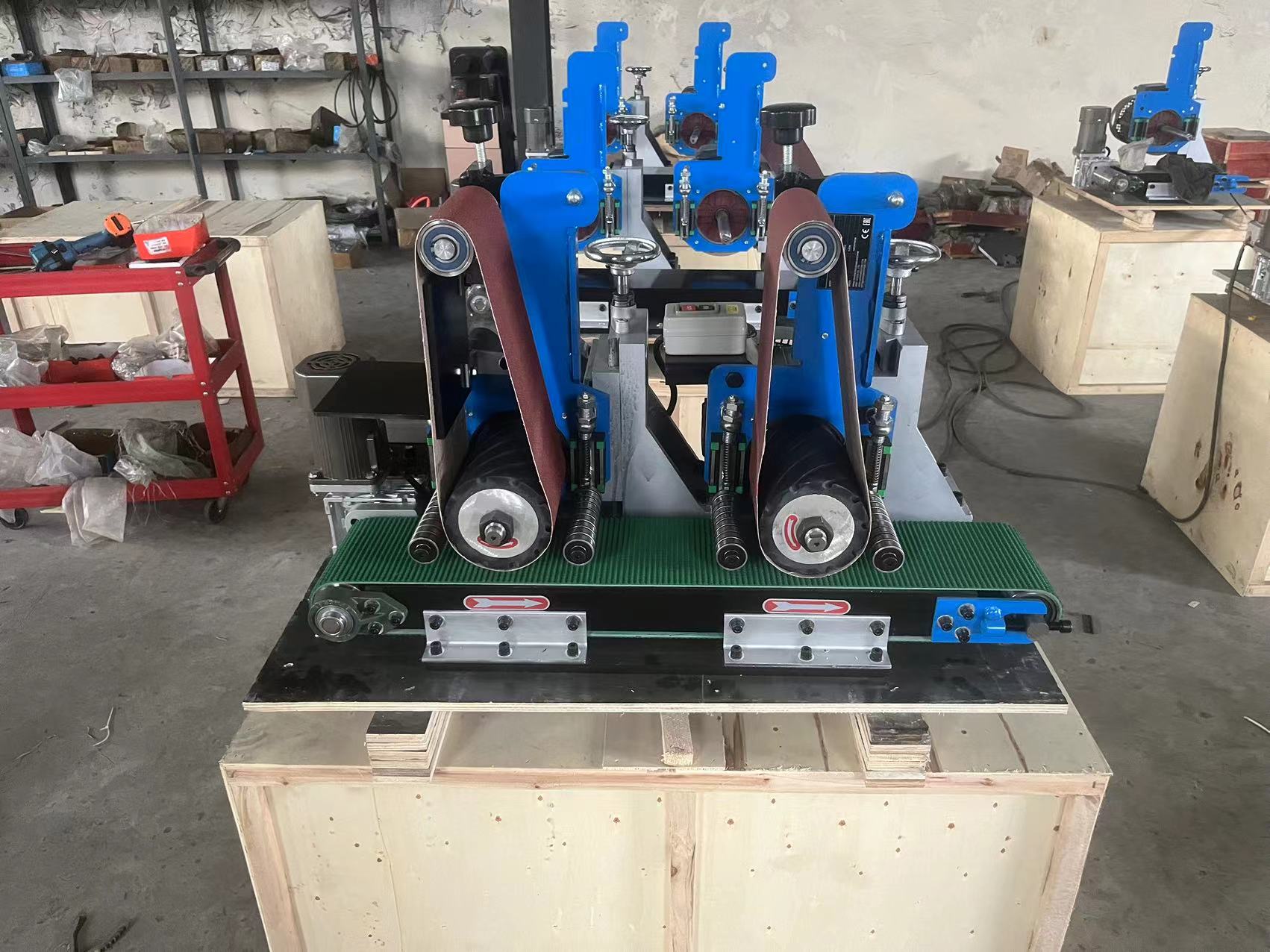
- Disc Polishing Machine: Uses circular polishing discs to polish the surface of materials, suitable for polishing of large areas that require high gloss.
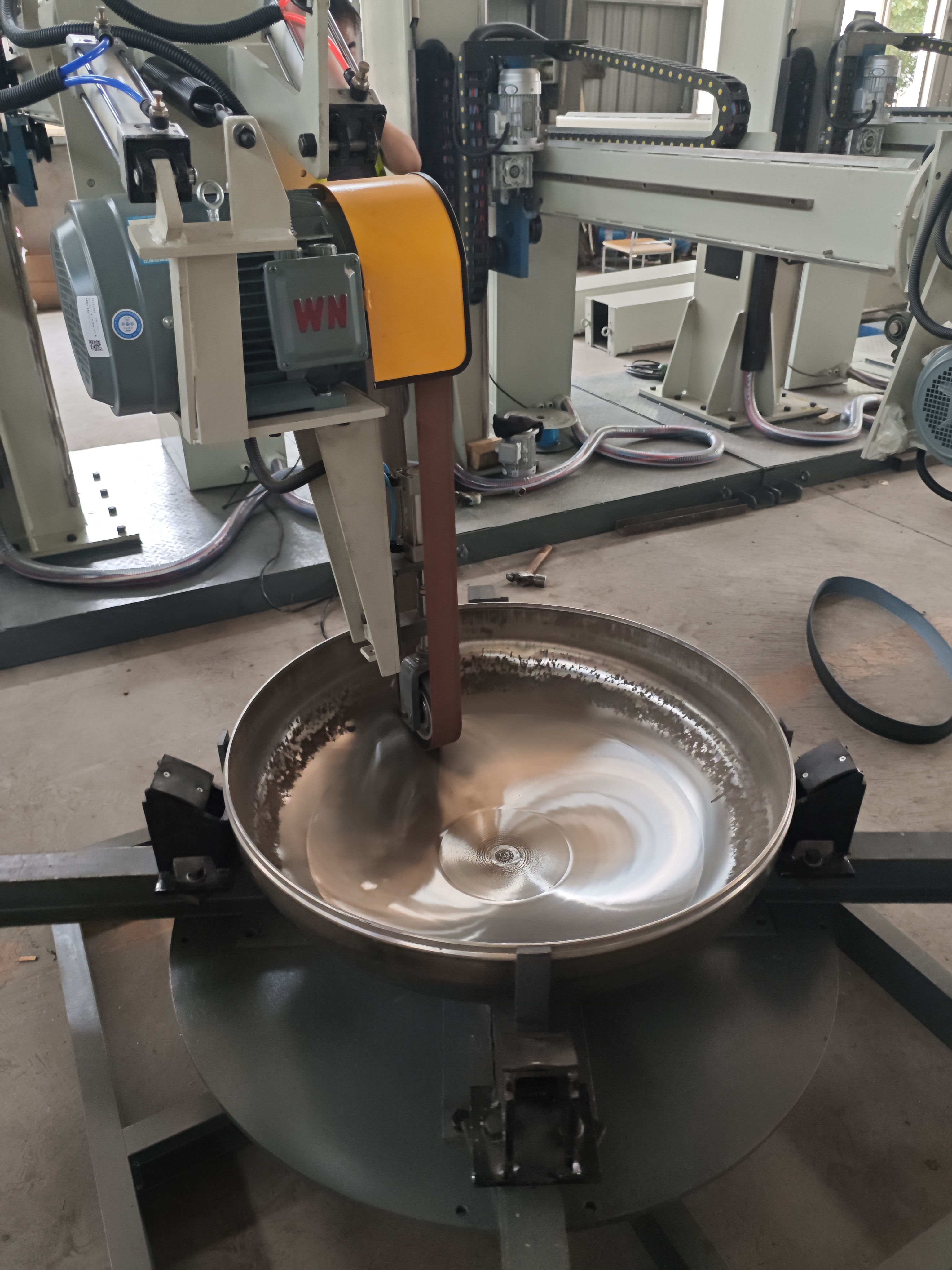
- External Cylindrical Polishing Machine: Mainly used for polishing the outer surface of cylindrical workpieces, widely used in metal processing, automotive parts and other industries.
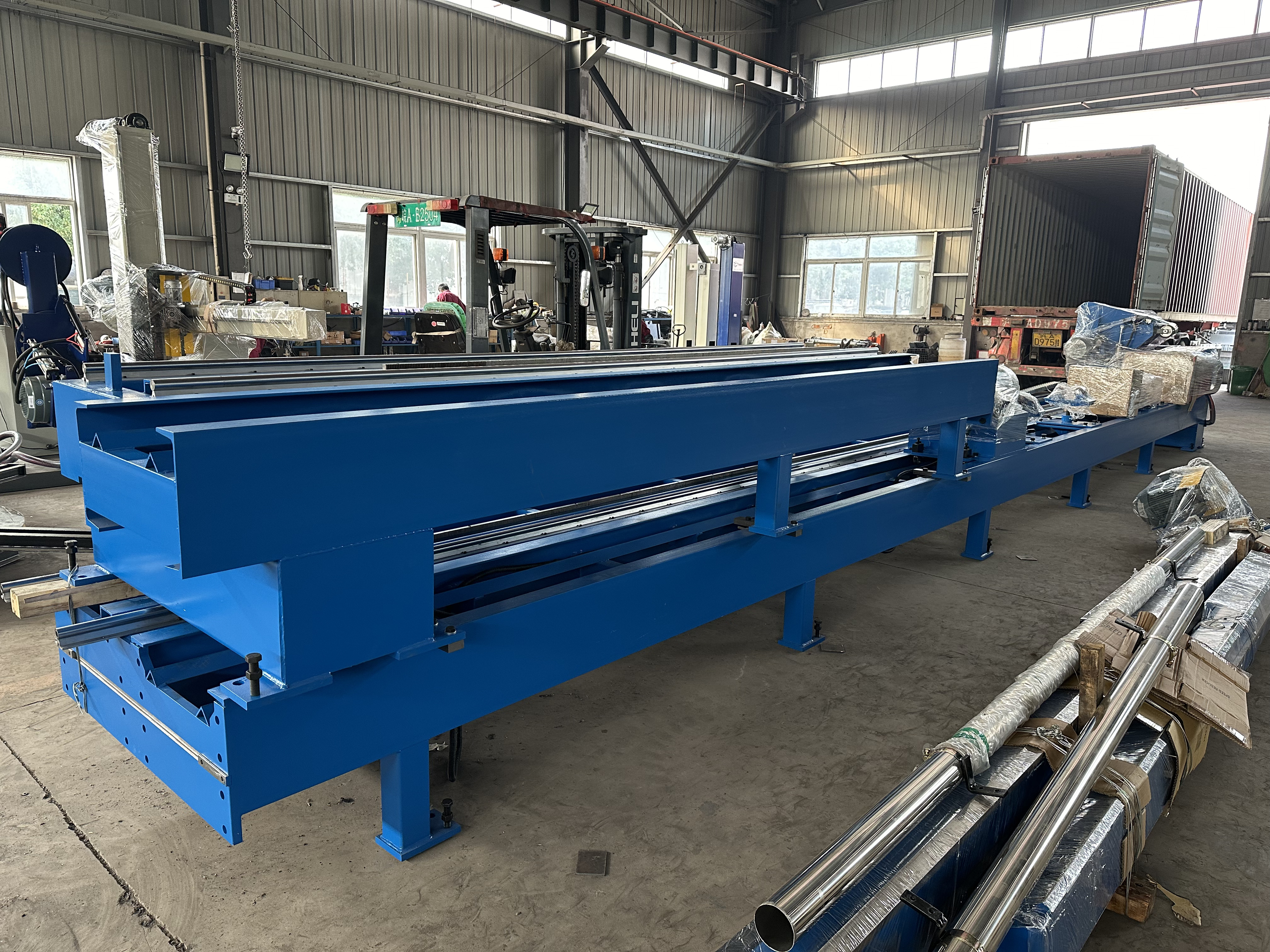
- Internal Cylindrical Polishing Machine: Used for polishing the inner hole of the workpiece, often used in the processing of precision parts and mechanical components.
- Vibratory Polishing Machine: The machine makes the polishing medium contact with the workpiece surface by vibration, and is suitable for polishing metals, plastics, ceramics and other materials in mass production.
When choosing the right polisher, you need to consider the following key factors:
- Workpiece material: Workpieces made of different materials (such as metal, wood, plastic, stone, etc.) have different requirements for polishers. For example, metal workpieces usually require a high-powered polisher, while wood may require a gentler polisher.
- Workpiece shape and size: The shape (such as flat, round, inner hole or outer circle) and size of the workpiece will determine the type of polisher to choose. For example, an outer circle polisher is suitable for cylindrical workpieces, while a flat surface polisher is suitable for flat surface processing.
- Polishing finish required: If you need to achieve very high gloss and accuracy, you may need to choose a more sophisticated polisher, such as an automatic polisher or a vibrating polisher. For general polishing requirements, you can choose a handheld polisher or a disc polisher.
- Production efficiency and batch: For large-scale production, choosing an automated or dual-station polisher can improve efficiency. Small batches and customized workpieces may be suitable for handheld or manually operated polishers.
- Polishing media and methods: Different types of polishers use different polishing media, such as polishing pastes, polishing cloths, sandpaper, etc. When choosing, you need to consider the compatibility with the workpiece material and the required polishing method (such as manual, vibration, rotation, etc.).
- Processing accuracy requirements: If the processing accuracy requirements are high (such as inner holes, precision parts), you need to choose polishing equipment that can provide fine control, such as internal circle polishing machines or automatic polishing machines.
- Operation convenience and safety: For the convenience and safety of operation, handheld polishing machines are suitable for flexible operation, but protection is required. For large equipment, additional protection measures and operation instructions may be required.
- Cost budget: The choice of polishing machine is also limited by the budget. Manual and semi-automatic polishing machines are usually cheaper, while automated equipment or high-end polishing machines are more expensive.
